

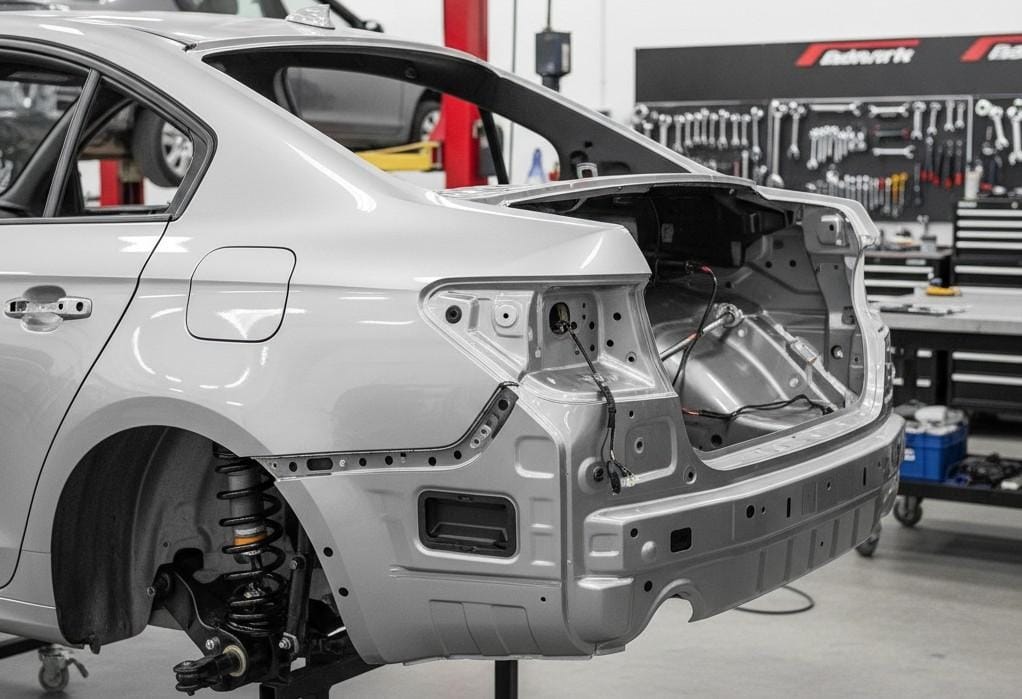
A quarter cut car is one of the most important used car part sections in the automotive repair industry. When a car is severely damaged, especially from the rear, mechanics often replace the entire back portion instead of fixing individual parts. This is where the quarter cut comes in — it’s a pre-cut rear section from a used or salvaged vehicle, ready to be fitted onto another car.
Quarter cut cars are commonly imported from Japan, Singapore, and the UK. These countries have strict road and insurance policies that lead to cars being dismantled even when still in good shape. Kenyan garages, car rebuilders, and body shops often rely on these cuts to repair accident vehicles efficiently and affordably.
Defining a Quarter Cut Car
A quarter cut car refers to a section of a vehicle that has been cut and removed from a donor car. Typically, this section includes the rear quarter panel, extending from the back of the rear door to the rear bumper, and often includes part of the roof and floor pan. The term “quarter” comes from the fact that this section roughly represents a quarter of the car’s body.
These cuts are usually made from vehicles that have been involved in accidents or have suffered significant damage to other parts. By salvaging the undamaged sections, these quarter cuts become valuable resources for repairing other vehicles of the same make and model.
Why Quarter Cuts are Used
Quarter cuts serve several purposes in the automotive repair industry:
- Cost-effective repairs: Using a quarter cut can be more economical than replacing individual panels or attempting to repair severely damaged sections.
- Original equipment: Quarter cuts provide original manufacturer parts, ensuring better fit and finish compared to aftermarket panels.
- Time-saving: Installing a quarter cut can be faster than piecing together multiple individual panels.
- Structural integrity: When properly installed, a quarter cut maintains the vehicle’s structural integrity better than piecemeal repairs.
- Ideal for classic cars: For vintage vehicles where new parts may not be available, quarter cuts from donor cars are invaluable.
The Process of Using a Quarter Cut
Using a quarter cut involves several steps:
- Removal from donor car: The quarter section is carefully cut from the donor vehicle using specialized tools.
- Preparation: Both the quarter cut and the recipient car are prepared for joining. This involves removing damaged sections and ensuring clean, even surfaces for welding.
- Fitment: The quarter cut is test-fitted to ensure proper alignment.
- Welding: The quarter cut is welded into place, joining it seamlessly with the rest of the car body.
- Finishing: After welding, the joined areas are ground smooth, filled if necessary, and prepared for painting.
- Painting: The repaired section is painted to match the rest of the vehicle.
Advantages of Quarter Cuts
Quarter cuts offer several benefits:
- Original equipment quality: You’re getting a section of car body that was manufactured to the same standards as the original vehicle.
- Better fit: Since the quarter cut comes from an identical model, it typically fits better than aftermarket panels.
- Time-efficient: Installing a quarter cut can be faster than piecing together multiple smaller panels.
- Cost-effective: Often, using a quarter cut is more economical than buying individual panels or attempting extensive repairs.
- Structural integrity: A properly installed quarter cut maintains the vehicle’s structural strength.
Challenges and Considerations
While quarter cuts offer many advantages, there are some challenges to consider:
- Skill required: Proper installation of a quarter cut requires significant skill and experience.
- Potential for rust: If the donor car had any hidden rust issues, these could be transferred to the repaired vehicle.
- Alignment issues: Ensuring perfect alignment can be challenging and may require additional work.
- Availability: Finding the right quarter cut for your specific make and model can sometimes be difficult.
Quarter Cuts vs Half Cuts
While quarter cuts are popular, half cuts are another option in automotive repairs. Here’s how they compare:
Quarter cuts:
- Include the rear quarter panel, part of the roof, and floor pan
- Typically extend from the back of the rear door to the rear bumper
- Ideal for repairing rear-end damage
- Generally easier to transport and handle due to smaller size
Half cuts:
- Include the entire rear half of the vehicle
- Extend from the center pillars (B-pillars) back
- Useful for more extensive repairs or when both rear quarters are damaged
- Provide more parts but are more challenging to transport and work with
The choice between a quarter cut and a half cut depends on the extent of the damage and the specific repair needs of the vehicle.
Finding Quarter Cut Cars for Sale
If you’re in the market for a quarter cut, here are some places to look:
- Auto salvage yards: Many salvage yards specialize in selling car parts, including quarter cuts.
- Online marketplaces: Websites like eBay Motors or car-part.com often list quarter cuts for sale.
- Specialty suppliers: Some businesses specialize in providing quarter cuts and other large sections for repairs.
- Body shop networks: Professional body shops often have connections to source these parts.
- Car forums and communities: Enthusiast forums can be great places to find leads on quarter cuts.
When searching for a quarter cut, be sure to:
- Verify the exact make, model, and year of your car
- Check the condition of the quarter cut, including any potential rust issues
- Confirm shipping or pickup options, as these large parts can be challenging to transport
Legal and Ethical Considerations
While using quarter cuts is a legitimate repair method, there are some legal and ethical points to consider:
- Disclosure: If you’re repairing a car for sale, it’s important to disclose that a quarter cut was used in the repair.
- Insurance: Some insurance companies may have specific policies regarding repairs using quarter cuts.
- Safety standards: Ensure that all repairs meet safety standards and don’t compromise the vehicle’s structural integrity.
- Vehicle history: The use of a quarter cut should be noted in the vehicle’s history for future reference.
DIY vs Professional Installation
While some experienced DIY enthusiasts might tackle a quarter cut installation, it’s generally recommended to leave this job to professionals. Here’s why:
Professional installation:
- Ensures proper alignment and fitment
- Maintains structural integrity
- Includes professional welding for strength and safety
- Often comes with a warranty on the work
DIY installation risks:
- Improper fitment could lead to water leaks or alignment issues
- Amateur welding might compromise structural strength
- Mistakes could be costly to fix later
If you’re considering a DIY approach, honestly assess your skills and equipment. When in doubt, consult with a professional.
The Future of Quarter Cuts in Auto Repair
As vehicle technology evolves, so does the role of quarter cuts in repairs:
- Advanced materials: With more cars using aluminum and composite materials, the techniques for using quarter cuts are adapting.
- Electric vehicles: The unique structure of EVs may change how quarter cuts are used in repairs.
- 3D scanning and printing: These technologies might allow for more precise fitment of quarter cuts.
- Regulatory changes: Future regulations might affect how and when quarter cuts can be used in repairs.
Tips for a Successful Quarter Cut Repair
If you’re having a quarter cut installed on your vehicle, keep these tips in mind:
- Choose a reputable shop: Look for a body shop with experience in quarter cut installations.
- Ask for references: Don’t hesitate to ask for examples of previous quarter cut repairs.
- Get a detailed estimate: Understand all the costs involved, including any potential additional work.
- Check the donor car’s history: If possible, get information about the car the quarter cut came from.
- Understand the warranty: Know what guarantees come with the repair work.
- Plan for downtime: Quarter cut repairs can take longer than simple panel replacements.
- Consider future maintenance: Understand how the repair might affect future maintenance or repairs.
Conclusion
Quarter cut cars play a vital role in automotive repairs, offering a cost-effective and efficient solution for significant body damage. They provide original equipment quality and can be especially valuable for classic car restorations where new parts may not be available.
However, working with quarter cuts requires skill and experience. While they offer many advantages, it’s crucial to consider the challenges and ensure that any repairs maintain the vehicle’s structural integrity and safety.
Whether you’re a car enthusiast considering a repair or just curious about automotive repair techniques, understanding quarter cuts gives you valuable insight into the world of vehicle restoration and repair. As with any significant automotive work, when in doubt, consult with professionals to ensure the best outcome for your vehicle.
Remember, the goal of any repair should be to restore the vehicle to its pre-damage condition in terms of both appearance and safety. When done correctly, a quarter cut repair can achieve this goal effectively and economically.