Overview
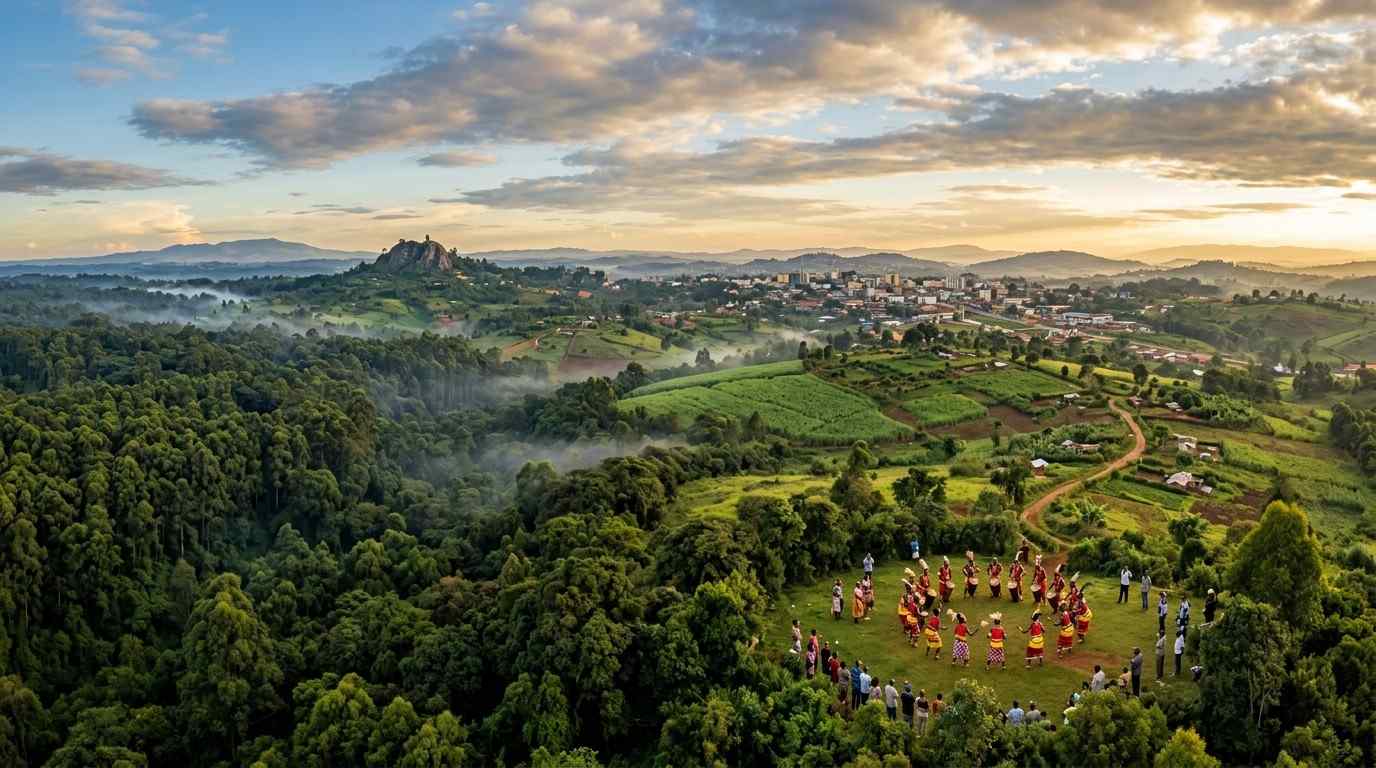
Kakamega County is home to East Africa's only equatorial rainforest, the iconic Crying Stone of Ilesi, and Kenya's second-largest sugar industry. Its fertile soils support sugarcane, maize, tea, and avocado farming, while growing infrastructure makes it a top-tier investment destination in Western Kenya.
Why Kakamega County Deserves Your Attention
Kakamega County is one of the most underrated yet richest destinations in all of Kenya — a county that punches well above its weight in biodiversity, cultural heritage, agricultural productivity, and business potential. Sitting in the heart of Western Kenya, it borders Vihiga, Siaya, Bungoma, Trans-Nzoia, Uasin Gishu, Nandi, and Kisumu counties, giving it both strategic location and astonishing geographic diversity.
With a population of approximately 1.87 million people and a tropical climate that delivers reliable rainfall between 1,280mm and 2,214mm annually, Kakamega County is an economic engine fuelled by agriculture, a growing tourism sector, and improving urban infrastructure. Whether you are a traveller seeking rainforest adventures, an investor looking for untapped agribusiness potential, or an entrepreneur scouting new markets, Kakamega rewards those who look closely.
This guide — written in the spirit of thoroughness that informs Forbes Advisor's best work — gives you everything you need to understand, explore, and profit from what Kakamega County has to offer.
Top Tourist Attractions in Kakamega County
Kakamega County may not have the global brand recognition of the Maasai Mara or Diani Beach, but for discerning travellers, that is precisely the point. What you find here is raw, authentic, and genuinely spectacular.
1. Kakamega Forest National Reserve
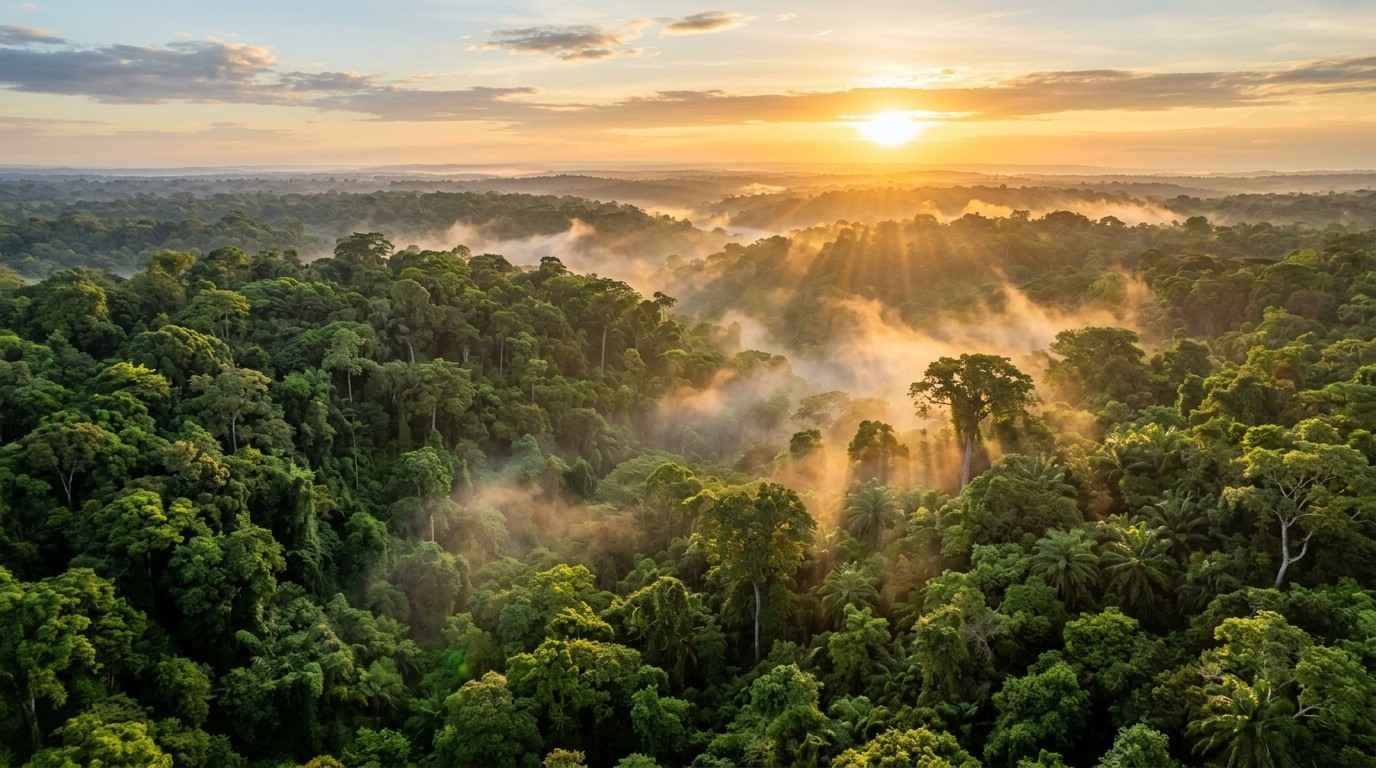
No conversation about Kakamega County's attractions begins anywhere other than Kakamega Forest National Reserve — East Africa's only equatorial rainforest and one of the continent's most important ecological sites. A relic of the ancient Congo Basin rainforest, it covers approximately 240 square kilometres and hosts more than 400 species of birds, over 400 species of butterflies, and 7 primate species including the Colobus monkey and olive baboon.
Guided forest walks, bird watching expeditions, night walks to spot bush babies and pottos, and butterfly tracking make Kakamega Forest a paradise for ecotourists. The Rondo Retreat Centre — a colonial-era guesthouse inside the forest — offers an iconic stay experience, with accommodations starting from around KSh 4,500 per person per night including breakfast. For serious birders, the forest hosts species found nowhere else in Kenya, including the great blue turaco, the African crowned eagle, and over 40 restricted-range species.
2. The Crying Stone of Ilesi
Rising about 40 metres from the ground along the Kakamega–Kisumu road, the Crying Stone (Esikukhu) is one of Western Kenya's most photographed and spiritually significant landmarks. Water constantly seeps down the face of this massive granite monolith, creating the illusion of a weeping figure — hence the name. Local Luhya tradition holds that the stone cries when misfortune looms over the community, and the site remains deeply sacred to the Isukha sub-clan. It has since been gazetted as a cultural heritage site by the County Government of Kakamega.
3. Traditional Luhya Bullfighting
One of the most unique cultural tourism experiences in all of East Africa, Isukha bullfighting (called Ingwe in Luhya) is a centuries-old tradition that draws enormous crowds every Sunday in Kakamega Town and surrounding villages. Unlike Spanish bullfighting, no animals are harmed here — two bulls are pitted against each other in a display of strength, while the crowd cheers and traditional Isukuti drums thunder in the background. Attending a bullfight gives visitors an electrifying window into Luhya cultural identity that no museum can replicate.
4. Isukuti Dance — UNESCO Recognised Heritage
The Isukuti dance of the Isukha and Idakho communities was inscribed on the UNESCO Representative List of the Intangible Cultural Heritage of Humanity in 2014. Performed at communal celebrations — births, circumcisions, weddings, and funerals — the dance features large, resonant drums (isukuti) and exuberant, athletic movements that can leave audiences breathless. Cultural tourism packages that include Isukuti performances are growing in popularity and can be arranged through the Kakamega Tourism Information Centre.
5. Bukhungu Stadium & Sports Tourism
Sports tourism is a rapidly growing segment in Kakamega County. Bukhungu Stadium, with a capacity of approximately 15,000 spectators, is the flagship sporting facility in Western Kenya and host to Kenya Premier League matches, athletics events, and county championships. The county government has ambitious plans to develop more sports complexes, positioning Kakamega as a sports tourism hub for the entire Western Kenya region.
6. Nabongo Shrines & Heritage Sites
History enthusiasts will find rich material in Kakamega County's heritage sites. The Nabongo Shrines, associated with the royal lineage of the Wanga Kingdom — one of the few centralised kingdoms in pre-colonial Kenya — offer a profound look at indigenous political organisation. The Ikhongo Murwi sites carry dense local mythology and serve as living cultural archives of the Luhya community's history.
"Kakamega is not one thing but many: it is a paragon of MICE, culture, nature, and landscape — all in one county."
Agriculture in Kakamega County: The Backbone of the Economy
Kakamega County is, at its core, an agrarian economy. Agriculture is the primary livelihood for the majority of its nearly 1.87 million residents and the single largest contributor to the county's Gross County Product. The county's two ecological zones — the Upper Medium (UM) in the central and northern areas, and the Lower Medium (LM) covering the southern portions — define which crops thrive where.
The Sugar Industry: Economic Backbone
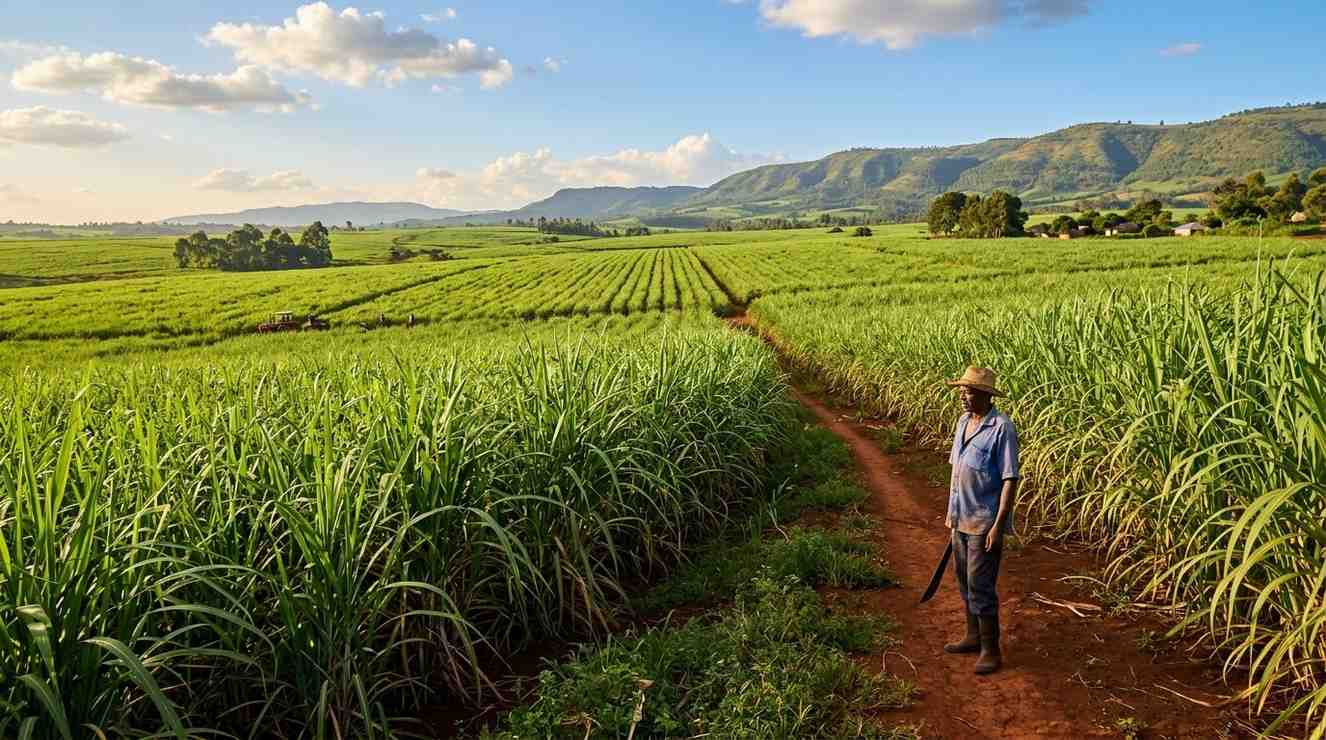
The southern zone — encompassing Butere, Khwisero, Mumias East, Mumias West, and Matungu — is Kenya's most productive sugarcane belt outside the Nyanza region. Mumias Sugar Company, once East Africa's largest sugar miller, sits at the heart of this economy. Though the company went through receivership in 2019, it is currently undergoing a revival that could restore tens of thousands of direct and indirect jobs across the county. Sugarcane farming remains the economic lifeblood of hundreds of thousands of smallholder farmers in the region, with farm-gate prices fluctuating between KSh 4,200 and KSh 5,500 per tonne depending on the miller.
The Upper Medium Zone: Diversity & Intensification
In sub-counties such as Ikolomani, Lurambi, Malava, Navakholo, and Shinyalu, farming is more diverse and intensive. Maize remains the primary staple, but tea, beans, sorghum, and horticultural crops also feature prominently. In Lugari and Likuyani, large-scale mechanised farming is practised — a contrast to the smallholder model that dominates elsewhere. These areas are attracting increasing attention from agribusiness investors seeking scale and efficiency.
Priority Crops for Investment: Avocado, Sunflower & Upland Rice
In partnership with the Ministry of Agriculture and Livestock Development (MoALD) and with technical support from JICA (Japan International Cooperation Agency), the county has identified avocado, sunflower, and upland rice as the three priority crops for commercial investment under the Agricultural Investment Promotion Project.
| Crop / Commodity | Primary Zone | Commercial Opportunity | Avg. Farm Gate Price |
|---|---|---|---|
| Sugarcane | Southern LM | Milling, ethanol, molasses | KSh 4,200–5,500 / tonne |
| Maize | Entire county | Flour milling, animal feed | KSh 3,500–4,200 / 90kg bag |
| Tea | Upper Medium (UM) | KTDA processing, export | KSh 22–30 / kg green leaf |
| Avocado | UM highlands | Export horticulture, oil | KSh 15–40 / fruit (grade) |
| Sunflower | Lugari / Likuyani | Edible oil processing | KSh 55–75 / kg |
| Upland Rice | Irrigated lowlands | Milling, food security | KSh 60–90 / kg (milled) |
| Dairy (Milk) | Countywide | Processing, cheese, yoghurt | KSh 35–50 / litre |
| Fish (Aquaculture) | Riverine areas | Pond farming, processing | KSh 280–380 / kg |
Livestock, Apiculture & Aquaculture
Beyond crops, Kakamega County's investment profile in the agricultural sector extends to dairy cattle rearing (with Holstein Friesian crossbreeds common in the Upper Medium zone), apiculture (honey production and bee products), and aquaculture. The county's numerous rivers — including the Yala River — provide ideal conditions for fish pond establishment and fish farming enterprises. Investment opportunities also exist in cold chain logistics and agro-processing infrastructure, which currently remain underdeveloped relative to production volumes.
Business & Investment Climate in Kakamega County
Kakamega County has been deliberate and proactive in positioning itself as a business-friendly destination. The county government's trade and industrialisation agenda focuses on market infrastructure development, SME financing, value addition, and creating an enabling environment for both domestic and foreign investors.
KCIDA: The Investment Gateway
The Kakamega County Investment and Development Agency (KCIDA) serves as the primary point of contact for investors. It provides investment facilitation, handles regulatory guidance, and actively promotes the county's investment opportunities in manufacturing, agro-processing, tourism, and real estate. KCIDA has identified investment opportunities exceeding KSh 50 billion across multiple sectors.
Key Investment Sectors
The county government has prioritised the following sectors for investment under its current development agenda:
- Agro-processing: Value addition for sugarcane (ethanol, molasses), maize (flour, feeds), and fruits (avocado oil, juices).
- Manufacturing & Industrial Parks: Industrial Development Centres (IDCs) being established across the county to host light manufacturing enterprises.
- Tourism & Hospitality: Eco-lodges, a snake park, an animal orphanage, and cultural tourism packages being developed around Kakamega Forest and heritage sites.
- Real Estate & Housing: Rapid urbanisation of Kakamega Town and Mumias is creating demand for residential and commercial property developments.
- ICT & Digital Economy: Youth-targeted digital economy programmes creating demand for tech hubs, BPO facilities, and connectivity infrastructure.
- Cold Chain & Logistics: Post-harvest loss reduction infrastructure is a significant gap and investment opportunity.
Market Infrastructure
The county is implementing a major market modernisation programme — developing eight modern markets across sub-counties. Kakamega Town's main market is one of the busiest in Western Kenya, handling produce, manufactured goods, and livestock worth hundreds of millions of shillings weekly. Improved market infrastructure directly benefits SMEs and smallholder farmers by reducing transaction costs and post-harvest losses.
SME Support & Entrepreneurship
Beyond large-scale investment, Kakamega County has equipped over 1,000 local entrepreneurs with business skills through its trade department, trained business exporters, and worked to formalise the jua kali sector. The county has also initiated the development of an Amaranth value addition factory — an innovative agro-industrial project aimed at creating a new export commodity from a crop well-suited to the county's climate.
📊 KE Offers Investment Verdict: Kakamega County
Agriculture & Agro-processing: ★★★★★ — Outstanding fundamentals. The combination of fertile soils, reliable rainfall, priority crop programmes (avocado, sunflower, upland rice), and underdeveloped processing infrastructure makes this the highest-upside sector.
Tourism & Hospitality: ★★★★☆ — Strong underlying assets (Kakamega Forest, Crying Stone, cultural tourism) with infrastructure still catching up. Early movers in eco-lodges and boutique hotels are well-positioned.
Real Estate: ★★★☆☆ — Kakamega Town urbanisation is accelerating. Mid-income housing and commercial property remain underserved markets with long-term upside.
Manufacturing / ICT: ★★★☆☆ — Emerging opportunity. The county's young, growing population and ICT policy support create demand, but infrastructure gaps remain a risk factor to price into any projection.
Getting to Kakamega County
Kakamega County is approximately 370 kilometres northwest of Nairobi and easily accessible by several means:
- By Air: Kakamega Airstrip serves light aircraft and charter flights. The nearest full commercial airport is Kisumu International Airport, approximately 50 kilometres away, served by Kenya Airways, Fly540, and Skyward Express with daily connections to Nairobi's Wilson and JKIA airports. Flights start from around KSh 6,500 one way.
- By Road: The Nairobi–Nakuru–Eldoret–Kakamega highway is well-paved and takes approximately 6–7 hours by private car. Numerous shuttle services and intercity buses operate this route daily, with fares ranging from KSh 1,200 to KSh 2,500 depending on the operator and class of service.
- From Kisumu: Matatus and Nissan minibuses run frequently between Kisumu and Kakamega Town, taking approximately 45–60 minutes. Cost: KSh 150–250.
Where to Stay in Kakamega County
Accommodation options in Kakamega County span from immersive eco-retreats inside the forest to modern business hotels in Kakamega Town.
| Property | Type | Location | Approx. Rate (per night) |
|---|---|---|---|
| Rondo Retreat Centre | Eco-Lodge / Retreat | Inside Kakamega Forest | From KSh 4,500 (B&B) |
| Golf Hotel Kakamega | Full-service Hotel | Kakamega Town | From KSh 6,500 |
| Lamanis Haven | Serviced Apartment | Kakamega–Webuye Rd | From KSh 3,500 |
| Tulivu Suites | Aparthotel | Off Mumias Road | From KSh 3,800 |
| Forest Rest House (KWS) | Budget / Bandas | Kakamega Forest | From KSh 1,800 |
Practical Tips for Visiting Kakamega County
- Best time to visit: Year-round, but avoid heavy rains (March–April and October–November) if you plan forest walks. July is excellent — moderate rains, lush forest, and active wildlife.
- Forest entry fees: Kakamega Forest National Reserve charges approximately KSh 300–600 for adult residents and KSh 1,200–2,400 for non-residents (verify current rates with KWS).
- What to pack: Waterproof jacket, insect repellent (long-sleeved clothing for evening walks), binoculars for bird watching, and sturdy walking shoes.
- Local cuisine: Try ugali na managu (stiff maize porridge with African nightshade), fresh tilapia from the Yala River, and locally brewed busaa (sorghum beer) at cultural events.
- Safety: Kakamega Town and tourist sites are generally safe. Exercise standard urban caution at markets and bus stands. The forest requires a KWS ranger guide — do not enter alone.
- Connectivity: Safaricom, Airtel, and Telkom Kenya all provide coverage across the county. M-Pesa is universally accepted for payments.
Frequently Asked Questions About Kakamega County
What is Kakamega County most famous for?
What is the main economic activity in Kakamega County?
How long should I spend in Kakamega County?
What investment opportunities exist in Kakamega County?
Is Kakamega Forest safe to visit?
What birds can I see in Kakamega Forest?
The Bottom Line: Kakamega County Is Kenya's Best-Kept Secret
Kakamega County defies easy categorisation — and that is precisely what makes it so compelling. It is simultaneously an ecological treasure, a cultural powerhouse, an agrarian heartland, and an emerging investment frontier. The county government's deliberate focus on tourism infrastructure, agro-industrial development, and market modernisation is beginning to convert the region's enormous latent potential into tangible economic momentum.
For the traveller, Kakamega offers experiences that are genuinely rare: walking through a rainforest that has existed for over 200 million years; hearing the thunder of traditional Isukuti drums at a village celebration; watching two bull elephants of the agricultural economy — the sugarcane fields — stretch to the horizon in the morning light. These are not manufactured tourist experiences. They are the real Kenya.
For the investor or entrepreneur, the data is clear: Kakamega County's fertile soils, reliable rainfall, young and growing population, improving infrastructure, and proactive investment agency (KCIDA) combine to create one of the most compelling medium-term investment theses in Western Kenya. The time to explore this county is now — before everyone else catches on.
Whether you are planning your first visit or your first KSh 10 million investment, start with Kakamega Forest, end with a bowl of ugali under the stars — and you will understand why people who discover Kakamega County rarely stop talking about it.