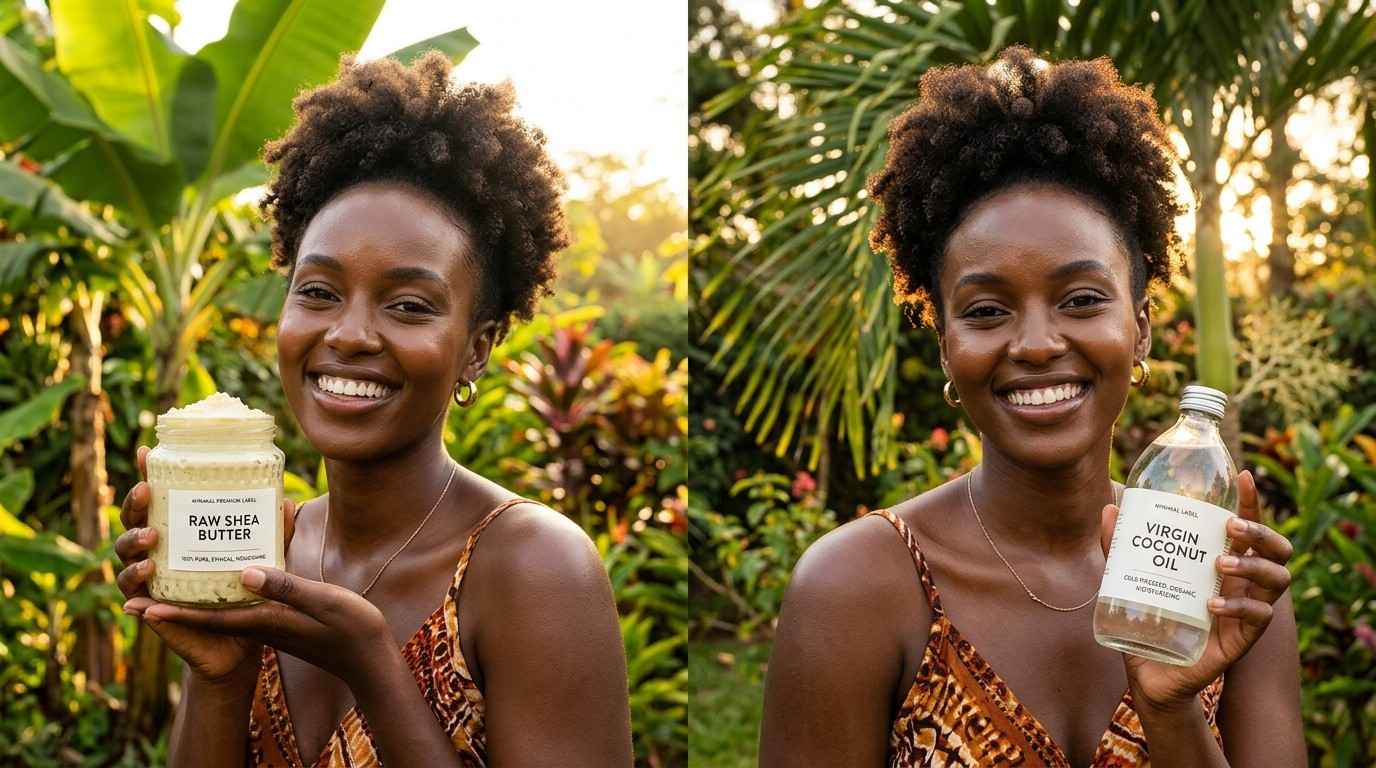
Shea butter is the best natural moisturizer for dry and sensitive skin, offering deep hydration, anti-inflammatory properties, and UV protection. Coconut oil is better for normal-to-oily skin and hair care. Both are affordable in Kenya, starting from KSh 150–KSh 300 in local markets and supermarkets.
Why Kenyans Are Returning to Natural Moisturizers
Walk into any pharmacy or cosmetics stall in Nairobi, Mombasa, or Kisumu and you'll find shelves packed with synthetic lotions loaded with parabens, mineral oils, and artificial fragrances. Yet a growing number of Kenyans are tossing those products aside in favour of two ancient, plant-based alternatives: shea butter and coconut oil.
The reasons are compelling. Kenya's climate — ranging from the humid coast to the dry Rift Valley and the temperate highlands — puts unique demands on skin. Synthetic lotions often contain alcohol and petroleum derivatives that sit on the surface without truly nourishing cells. Natural oils and butters, by contrast, are bio-compatible with human sebum and penetrate the skin barrier far more effectively.
According to Healthline, both shea butter and coconut oil contain significant concentrations of fatty acids, antioxidants, and anti-inflammatory compounds that have been clinically studied for their skin benefits. But they work differently — and understanding those differences is key to making the right choice.
Kenya is one of Africa's fastest-growing personal care markets. The natural beauty segment is projected to grow by over 8% annually through 2027, driven by consumer demand for chemical-free alternatives. (Source: Statista)
What Is Shea Butter? A Deep Dive
Shea butter is a fat extracted from the nut of the Vitellaria paradoxa (shea tree), which grows naturally across the Sahel belt of Africa — including parts of Uganda and South Sudan, countries that border Kenya. The ivory-coloured, slightly nutty-scented solid has been used in West and East African beauty rituals for millennia.
Key Nutrients in Shea Butter
- Oleic acid (40–60%): A moisturising omega-9 fatty acid that softens skin and helps other nutrients penetrate deeper.
- Stearic acid (20–50%): A saturated fat that firms the skin barrier and locks in moisture.
- Vitamin A: Supports cell regeneration and can reduce the appearance of fine lines.
- Vitamin E: A powerful antioxidant that fights free radical damage and supports healing.
- Vitamin F (Linoleic acid): Essential for maintaining the skin's lipid barrier.
- Triterpene alcohols (lupeol, cinnamic acid): Natural compounds with proven anti-inflammatory and UV-filtering effects.
Proven Benefits of Shea Butter for Skin
Research published in the Journal of Oleo Science (NIH) confirms shea butter's anti-inflammatory properties, specifically noting that its cinnamic acid esters inhibit the activity of 5-lipoxygenase, an enzyme responsible for skin inflammation. This makes it particularly effective for:
- Eczema, psoriasis, and dermatitis flare-ups
- Sunburn soothing (important in Kenya's equatorial sun)
- Stretch mark prevention during pregnancy
- Healing cracked heels and dry knuckles
- Reducing hyperpigmentation and uneven tone over time
- Softening natural hair, loc maintenance, and scalp nourishment
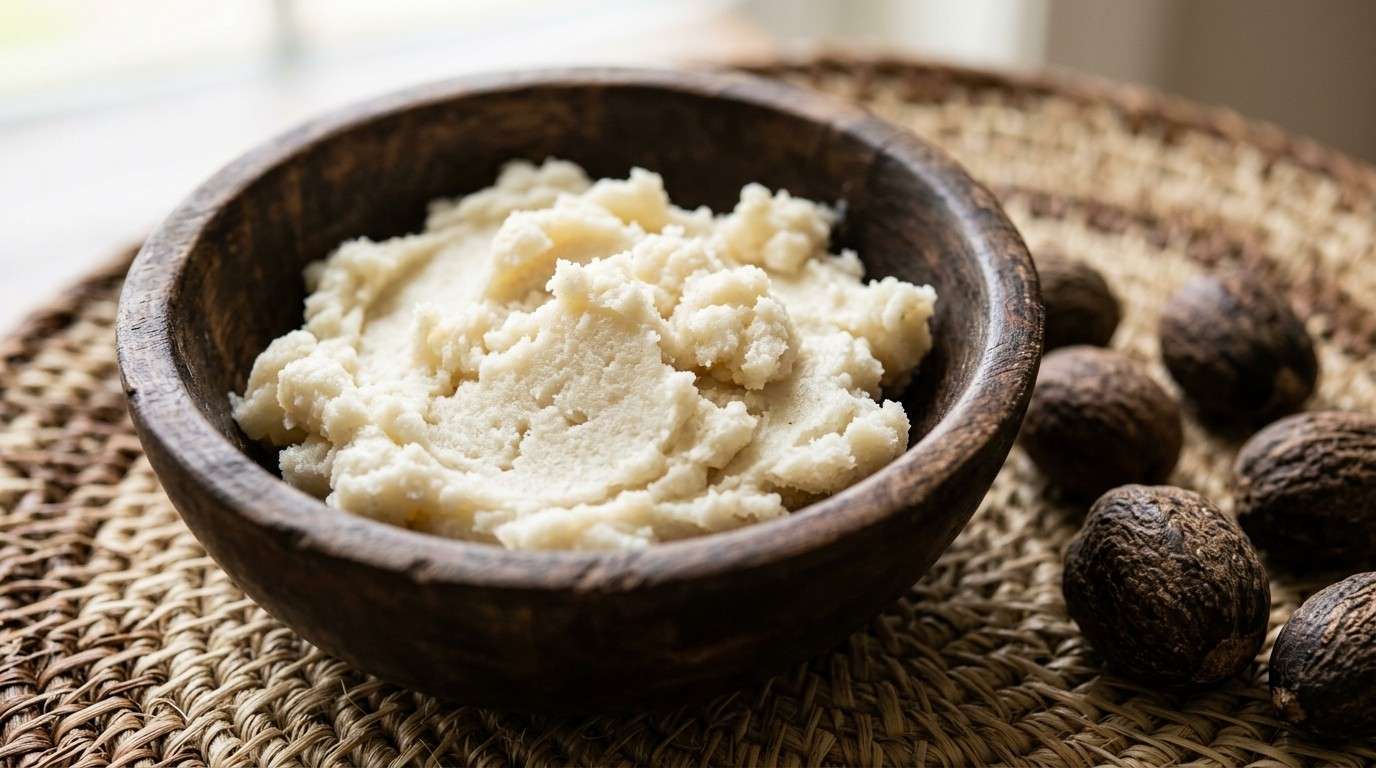
Unrefined vs. Refined Shea Butter
This distinction matters enormously when shopping in Kenya. Unrefined (raw) shea butter retains all its natural vitamins, fatty acids, and phytonutrients. It has a slightly nutty smell and an off-white to yellow colour. Refined shea butter has been processed with solvents and bleaching agents to create an odourless, pure-white product — but much of its therapeutic value is stripped away in the process.
Our recommendation: Always opt for unrefined, raw shea butter for maximum skin benefits. For cosmetic formulations (e.g., if you're making lotion), refined may be acceptable.
In Kenyan markets, some products labelled "shea butter" are heavily adulterated with petroleum jelly or paraffin. Genuine raw shea butter should melt on contact with your skin and leave no greasy residue. Always buy from reputable suppliers or check our KE Offers Guides for vetted sources.
What Is Coconut Oil? A Deep Dive
Coconut oil is extracted from the meat (kernel) of the mature coconut (Cocos nucifera), a tree that thrives along Kenya's entire 536km coastline from Lunga Lunga to Ishakani. Coconut oil has been a coastal Kenyan staple for generations — used in cooking, hair oiling (kupaka mafuta), and skin moisturising alike.
Key Nutrients in Coconut Oil
- Lauric acid (45–55%): A medium-chain fatty acid with powerful antimicrobial properties. It converts to monolaurin in the body, which fights bacteria and fungi.
- Caprylic acid & Capric acid: Additional antimicrobial MCTs (medium-chain triglycerides) that keep skin clean and reduce acne-causing bacteria.
- Vitamin E: Antioxidant protection and moisturising support.
- Polyphenols: Present in virgin coconut oil, with antioxidant and anti-inflammatory activity.
- Phytosterols: Plant compounds that help reduce skin inflammation and support barrier repair.
Proven Benefits of Coconut Oil for Skin
A study published in the International Journal of Dermatology (NIH) found that virgin coconut oil significantly improved skin hydration and reduced water loss in patients with atopic dermatitis. Key benefits include:
- Strong antimicrobial protection — ideal for acne-prone backs or fungal skin conditions
- Hair conditioning and scalp moisturising (penetrates the hair shaft better than most oils)
- Makeup removal (dissolves oil-based cosmetics safely)
- Lip balm and cuticle care
- Mild sunscreen properties (SPF ~4-6, per some studies)
- Oil cleansing method for normal skin types
Virgin vs. Refined Coconut Oil
Just as with shea butter, the processing method determines quality. Virgin (cold-pressed) coconut oil retains its natural scent, polyphenols, and full nutrient profile. Refined coconut oil is deodorised and bleached — suitable for cooking but largely stripped of its skincare superpowers. For skin, always choose virgin, cold-pressed coconut oil.
Shea Butter vs. Coconut Oil: Head-to-Head Comparison
| Feature | 🟤 Shea Butter | 🥥 Coconut Oil |
|---|---|---|
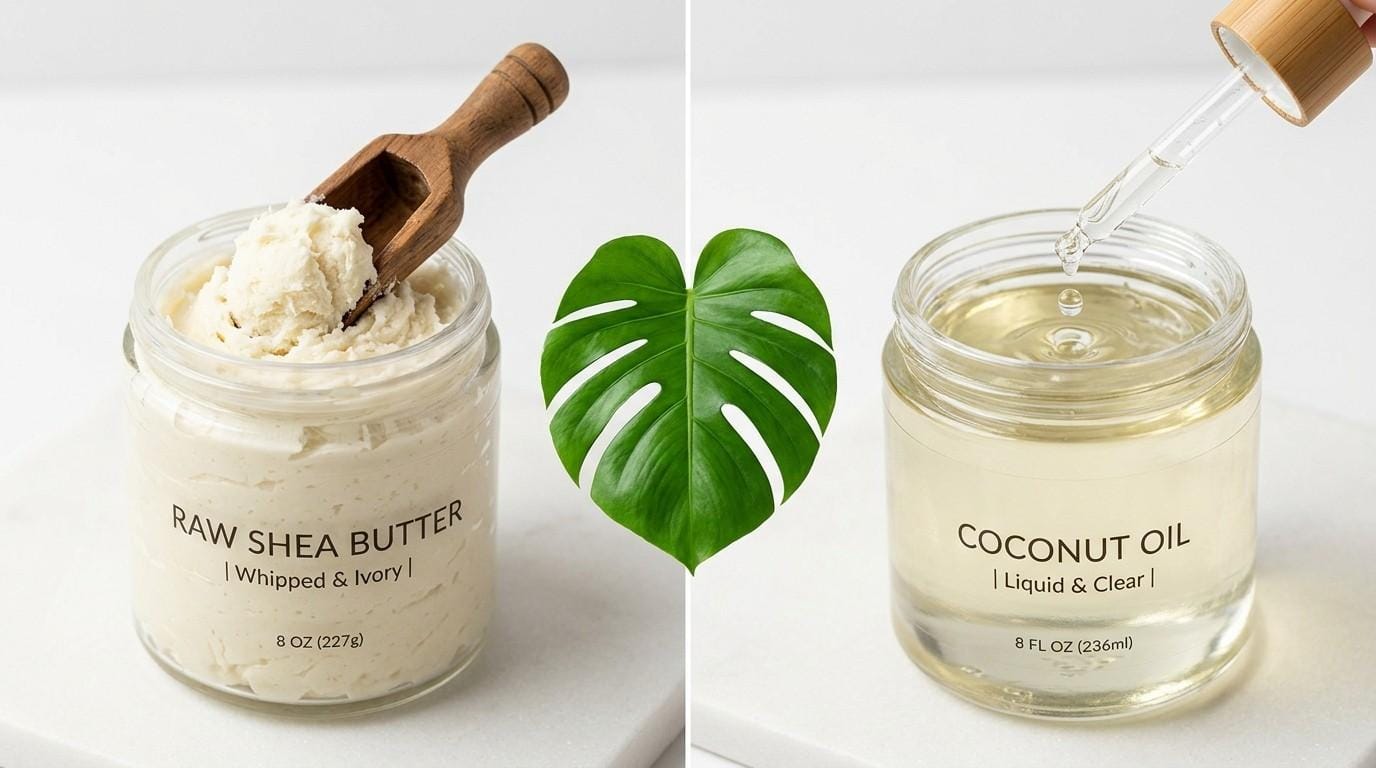
| Consistency | Solid butter (melts on skin contact) | Solid below 24°C, liquid above (in Kenya, often liquid) |
| Skin Absorption | Slow to medium — deep penetration, occlusive | Medium — penetrates but sits slightly on surface |
| Comedogenicity | ✔ Non-comedogenic (rating: 0–2) | ✘ Moderately comedogenic (rating: 4) |
| Best Skin Types | Dry, sensitive, mature, eczema-prone | Normal, oily (body), combination |
| Safe for Face? | ✔ Yes (all skin types) | ~ With caution (avoid if acne-prone) |
| Anti-inflammatory | ✔✔ Excellent (triterpenes) | ✔ Good (polyphenols) |
| Antimicrobial | ~ Mild | ✔✔ Strong (lauric acid) |
| UV Protection | ✔ SPF ~6 (cinnamic acid) | ~ SPF ~4–6 |
| Shelf Life | 12–24 months (raw) | 18–24 months (virgin) |
| Hair Use | ✔ Excellent for low-porosity hair | ✔✔ Excellent for all hair types |
| Scent | Mild, nutty, earthy | Light, tropical coconut |
| Feel on Skin | Rich, creamy, slightly waxy | Light, silky — absorbs quickly when liquid |
| Ideal Kenyan Climate | Highland, inland dry regions | Coastal humid regions |
| Avg. Price in Kenya | KSh 200–KSh 800 (100–500g) | KSh 150–KSh 650 (200ml–500ml) |
Which Is Best for Your Skin Type?
Kenya's diverse climates mean there's no single "best" answer — your skin type and geographic environment both matter. Use this guide to find your match:
Its high oleic and stearic acid content forms a true occlusive barrier. Ideal for cracked heels, dry elbows, and Rift Valley residents.
If you must choose, raw shea butter is safer. Coconut oil (rating 4) can clog pores and worsen breakouts.
Use shea on T-zone and cheeks; coconut oil on legs and arms.
Clinically studied for atopic dermatitis. Its anti-inflammatory triterpenes calm reactive skin without irritation.
Lighter feel, faster absorption, pleasant scent. Great for daily body moisturising after shower.
"In sub-Saharan African climates, the skin barrier faces unique challenges from UV radiation, humidity swings, and harmattan winds. Occlusive agents like shea butter provide measurably better transepidermal water loss (TEWL) reduction than lighter oils."
— Dr. Amina Wanjiku, Dermatologist, Nairobi (cited for educational purposes)Prices in Kenya — Market Guide
Both shea butter and coconut oil are relatively affordable in Kenya, especially compared to branded imported moisturisers. Prices vary by grade (raw vs. refined), packaging, and source. Here's a realistic overview based on current market conditions:
Check KE Offers for up-to-date deals on beauty products across Kenyan e-commerce platforms. Prices fluctuate, especially around sale seasons like Black Friday, Christmas, New Year, and Eid.
How to Use Shea Butter and Coconut Oil Effectively
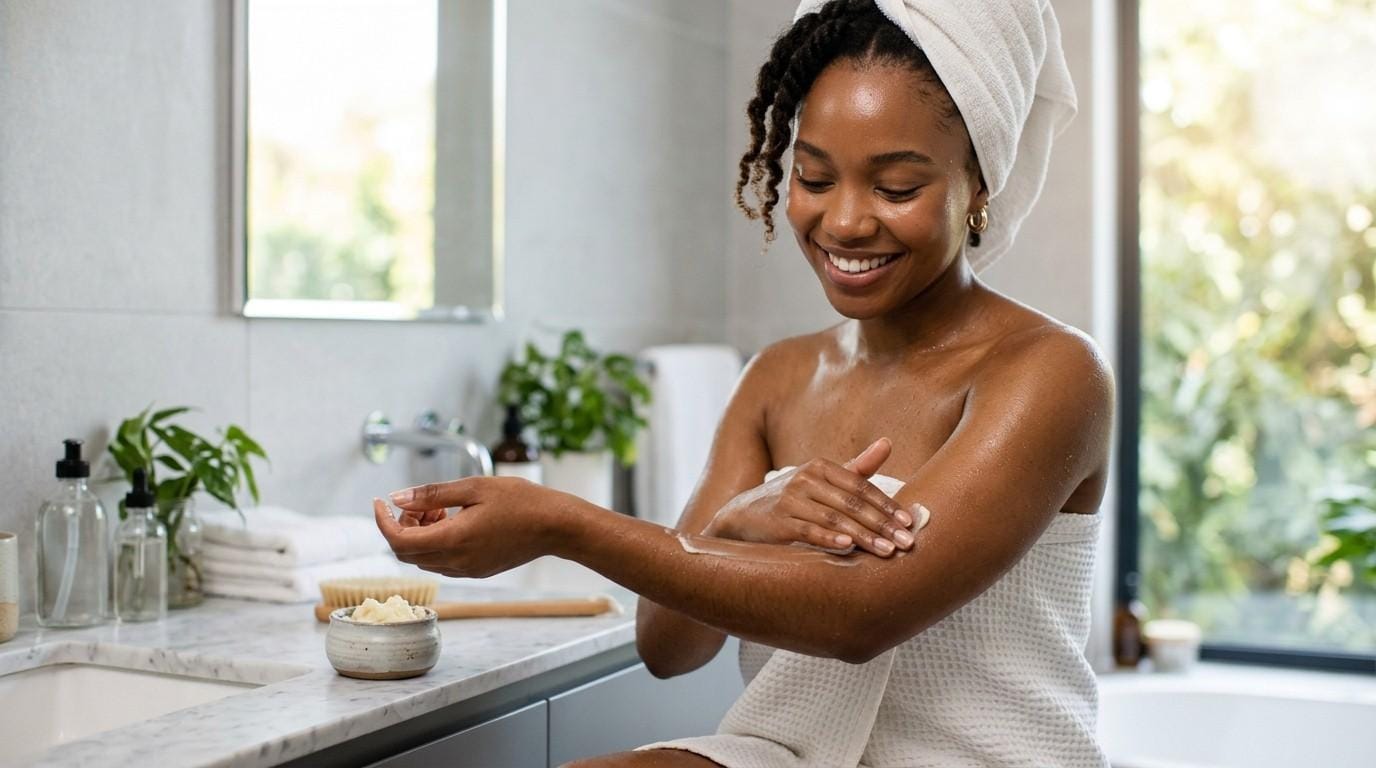
How to Use Shea Butter
- Body moisturiser: Warm a pea-sized amount between your palms until it melts, then apply to damp skin within 3 minutes of showering. Focus on elbows, knees, heels, and ankles.
- Facial moisturiser: Use a very small amount (less than you think you need) on clean, slightly damp skin before bed. Let it absorb for 10 minutes before touching your face.
- Stretch mark prevention: Apply twice daily to the belly, thighs, and breasts during pregnancy from the second trimester.
- Hair & scalp: Mix with warm water (1:2 ratio) in a spray bottle, shake, and spritz onto the scalp. Ideal for Loc retwist and protective styles.
- Cracked heels: Apply generously before bed, wrap in socks, and leave overnight. Results visible in 3–5 days.
How to Use Coconut Oil
- Body moisturiser: Apply liquid VCO directly to legs, arms, and back after showering. Absorbs in ~5 minutes. Ideal for post-beach skin after a day at the Kenyan coast.
- Hair pre-poo treatment: Apply to hair 30–60 minutes before shampooing. It reduces protein loss during washing by up to 40% (per Journal of Cosmetic Science).
- Oil pulling (oral): Swish 1 tablespoon in your mouth for 15–20 minutes for oral hygiene benefits.
- Makeup remover: Apply to a cotton pad and gently sweep across face to dissolve foundation, mascara, and sunscreen.
- Shaving oil: Apply to wet skin before shaving for a smooth, irritation-free shave.
Both shea butter and coconut oil work best when applied to damp (not dry) skin. The water molecules help the fatty acids penetrate the skin barrier more effectively, delivering deeper hydration with less product.
Risks, Side Effects & Who Should Be Careful
Risks to Know
- Rare latex-fruit allergies may extend to shea (consult a doctor if you have a latex allergy)
- Comedogenic rating 0–2 — very safe, but heavy use on acne-prone skin may trap sebum
- Adulterated products with mineral oil are common in Kenya — verify purity
- Can feel heavy/greasy in humid coastal weather
Risks to Know
- High comedogenicity (4/5) — avoid on face if acne-prone
- May trigger breakouts on oily skin when used on chest or back
- Tree nut allergy sufferers should patch-test first
- Liquid in Kenya's heat — can be messy and transfer to clothing/bedding
- Overuse can create a film that actually prevents moisture entry
Always patch-test any new product — natural or otherwise. Apply a small amount to the inside of your wrist or elbow, leave for 24 hours, and observe for redness, itching, or inflammation before full application. This is especially important for children's skin and during pregnancy.
Where to Buy in Kenya: Vetted Sources
Quality matters enormously with both products. Here's where to find genuine, high-quality options across Kenya:
Physical Stores
- Naivas Supermarkets — Stocks Cantu, SheaMoisture, and various coconut oil brands. Reliable sourcing, competitive pricing.
- Carrefour Kenya — Wide selection including imported organic virgin coconut oil and branded shea products.
- Health food stores (Westlands, Lavington, Kilimani) — Best for raw unrefined shea and cold-pressed VCO.
- Marikiti Market, Nairobi / Kongowea Market, Mombasa — Bulk raw shea butter from West African importers. Best prices but verify purity carefully.
Online (Kenya)
- Jumia Kenya — Wide selection with reviews. Filter for "organic" and "unrefined" for best results.
- Kilimall — Good prices, especially for bulk coconut oil purchases.
- Instagram / WhatsApp vendors — Many small-batch organic sellers operate via social media. Ask for COA (Certificate of Analysis) to verify purity.
For the latest price comparisons and offers on beauty products in Kenya, bookmark the KE Offers Guides section — we regularly update with deals from verified Kenyan retailers and online platforms.
Frequently Asked Questions (FAQ)
Our Final Verdict: Which Is the Best Natural Moisturizer?
Shea Butter Wins for Skin. Coconut Oil Wins for Hair.
After a thorough analysis of ingredients, clinical research, skin compatibility, and Kenyan market availability, our verdict is clear: raw unrefined shea butter is the best natural moisturizer for skin in Kenya — particularly for dry, sensitive, and melanin-rich skin tones that are common across the country.
Its superior fatty acid profile, non-comedogenic nature, anti-inflammatory triterpenes, and proven clinical efficacy for conditions like eczema and stretch marks give it a decisive edge over coconut oil for facial and body moisturising. In Kenya's inland and highland climates — where dry seasons can be brutal — shea butter's occlusive properties are a genuine lifeline for skin.
That said, coconut oil is not far behind and deserves a place in every Kenyan's natural beauty routine — just in a different role. Its unmatched antimicrobial properties, superior hair-shaft penetration, and light feel make it the undisputed champion for hair care, body moisturising in humid coastal conditions, and dual-purpose cooking/skincare use.
Best approach? Keep both in your bathroom cabinet. Use shea butter as your primary facial and body moisturiser. Reach for virgin coconut oil on wash days and for hair treatments. Together, they form a complete, affordable, and thoroughly Kenyan natural skincare routine.