📌 Quick Facts
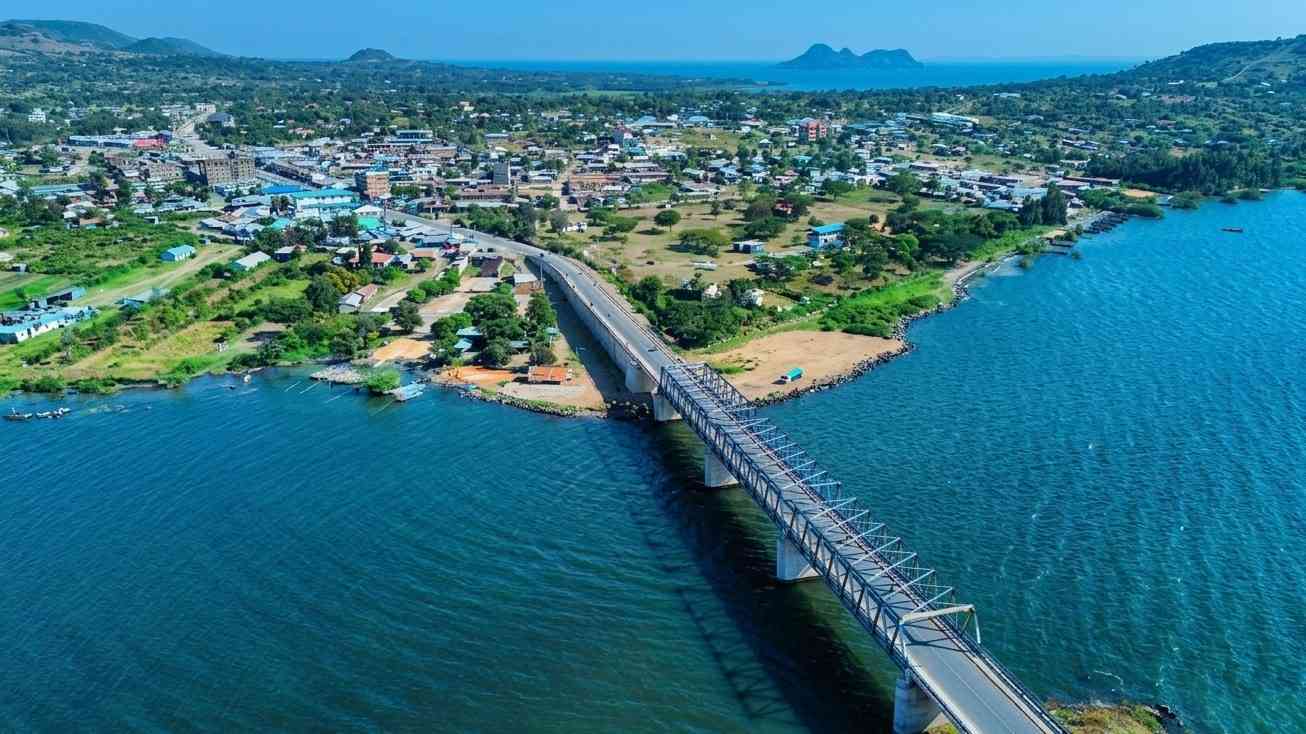
Homa Bay County is a western Kenya county bordering Lake Victoria — Africa's largest freshwater lake. Home to 1.13 million people across 8 sub-counties, it is best known for Ruma National Park, Rusinga Island, ancient Mfangano rock art, and a rapidly growing blue economy anchored in fishing, trade, and tourism.
✦ Key Takeaways
- Homa Bay County's own-source revenue surged from KSh 223 million to KSh 1.2 billion in a single financial year.
- The national government has earmarked over KSh 220 billion in infrastructure projects across Nyanza, with Homa Bay as a major beneficiary.
- Ruma National Park is Kenya's only home to the endangered roan antelope — and entry costs as little as KSh 350 for Kenyan adults.
- Rusinga and Mfangano islands offer world-class ecotourism largely under the radar of mainstream Safari circuits.
- The county sits just 350 km from Nairobi and 110 km from Kisumu — well within weekend-trip range.
Introduction: The County That Keeps Getting Overlooked
Homa Bay County has long existed in the shadow of its neighbours, overshadowed in tourism conversations by the Maasai Mara to the south and Kisumu's urban buzz to the north. Yet, in recent years, a quiet transformation has been underway — one funded by billions of shillings in public investment, propelled by a visionary county government, and grounded in one of Kenya's most spectacular natural landscapes.
Located along the southern shores of Lake Victoria, the county stretches across 3,152 km² of fertile land and shimmering lakeshore, encompassing 8 sub-counties: Homa Bay Town, Mbita, Suba, Rangwe, Karachuonyo, Kabondo Kasipul, Kasipul, and Ndhiwa. Its population of approximately 1.13 million (2019 census) is largely Luo and Abasuba — communities with deep roots in the lake's fishing culture and a rich tradition of music, dance, and oral history.
This is not just a travel guide. It's a full stock-take: the economy, the hidden gems, the infrastructure boom, the cost of living, the investment case, and yes — the very real reasons you should be paying far more attention to this county.
| Fact | Detail |
|---|---|
| Capital / HQ | Homa Bay Town |
| Governor | Gladys Wanga |
| Sub-counties | Mbita, Ndhiwa, Homa Bay Town, Rangwe, Karachuonyo, Kabondo Kasipul, Kasipul, Suba |
| Main economic activities | Fishing, agriculture, trade, tourism |
| Key water body | Lake Victoria (Africa's largest freshwater lake) |
| Nearest airport | Kisumu International Airport (~110 km); Kabunde Airstrip (local) |
| County OSR (latest FY) | KSh 1.2 billion (up from KSh 223 million) |
| Driving time from Nairobi | ~6–7 hours via Kisumu–Kendu Bay route |
The Economy: From Sleeping Giant to Rising Star
For decades, Homa Bay was tagged as one of Kenya's economically marginalised counties — high poverty rates, limited infrastructure, and a tax base almost entirely dependent on transfers from the national government. That narrative is actively being rewritten.
Under Governor Gladys Wanga — the county's first female ODM chairperson — Homa Bay's own-source revenue (OSR) catapulted from KSh 223 million to a remarkable KSh 1.2 billion in a single financial year, driven by improved fiscal management, an expanded tax base, and a sharper focus on harnessing local economic assets. That's a roughly 438% increase — a figure that would turn heads in any boardroom.
💰 Investment Signal
The national government has committed over KSh 220 billion in infrastructure projects across the four Nyanza counties, with Homa Bay as a primary beneficiary — spanning roads, affordable housing, modern markets, and blue economy facilities. Nine projects worth KSh 4.99 billion are already fully complete; 19 more valued at KSh 10.25 billion are near completion.
The Blue Economy: Fish, Trade & Water
Lake Victoria north covers roughly 30% of Homa Bay County's total area and is the backbone of its economy. According to the FAO, Lake Victoria supports the livelihoods of over 3 million people across East Africa — and Homa Bay is one of the lake's most productive fishing zones, with species including Nile perch, tilapia, and dagaa (lake sardines) forming the core of both local nutrition and export trade.
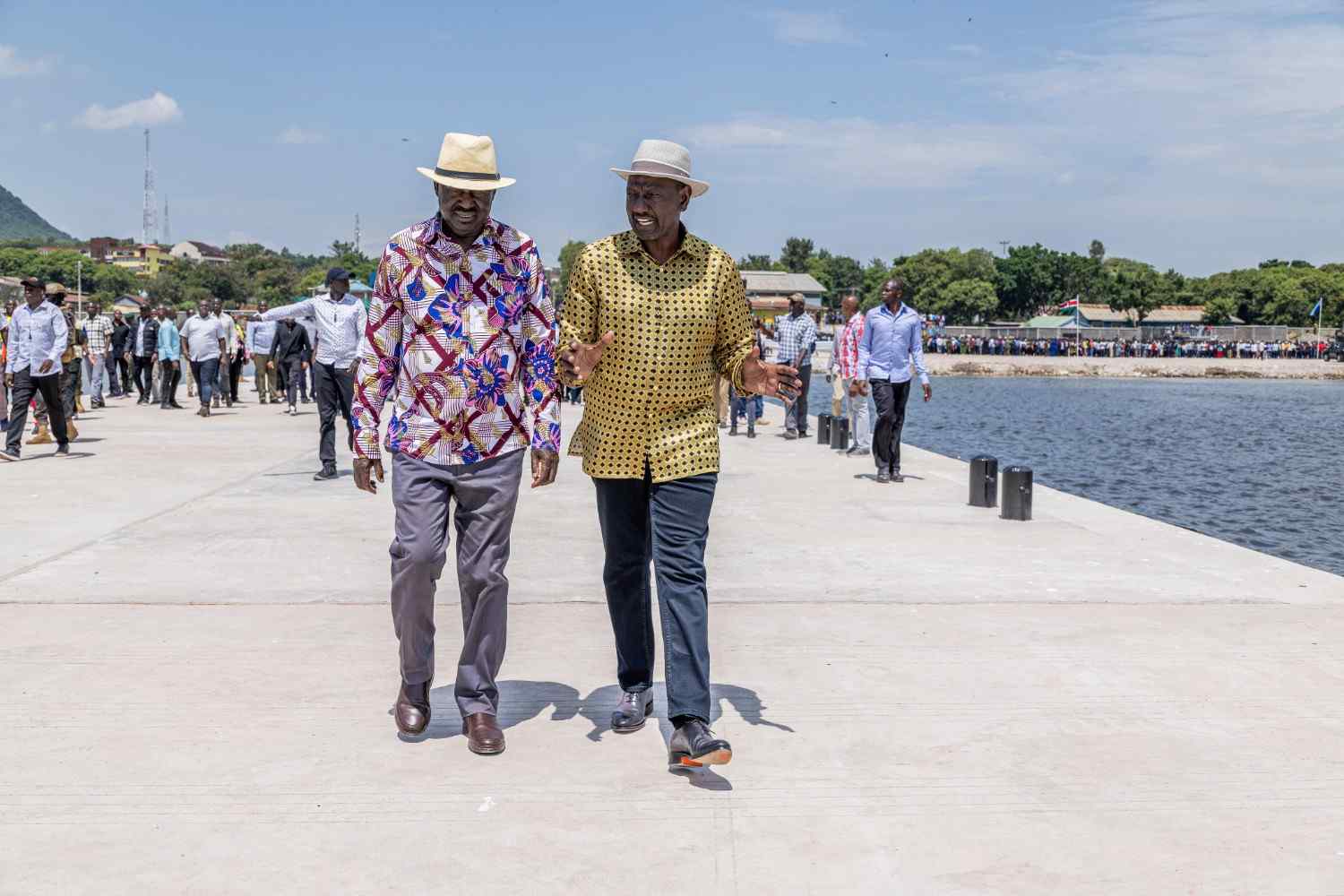
The government is now leveraging this through the newly commissioned modern pier and lakefront market in Homa Bay town. As Interior PS Raymond Omollo noted at the launch: "For years, this town has had immense opportunities but lacked proper infrastructure to make the most of them." The pier is designed to improve connectivity between Homa Bay and other lake towns, opening fresh avenues for trade and ferry transport.
Agriculture: Fertile Land, Untapped Potential
Beyond the lake, Homa Bay's agricultural belt — particularly in Kasipul and Kabondo Kasipul — is known for pineapple, sweet potato, sorghum, and millet production. USAID's Feed The Future Kenya Crops and Dairy Market System (KCDMS) has been partnering with the county government on soil testing to boost yields, signalling growing external investment in the agricultural value chain.
Emerging opportunities in agri-business, contract farming, and cold-chain logistics represent significant upside for investors willing to look beyond the obvious.
Tourism: The Hidden Gems You Need to Discover
Ask most Kenyan travellers to name a safari destination and they'll say the Mara, Amboseli, or perhaps Tsavo. Very few will mention Homa Bay — and that's precisely what makes it so compelling. The county is, in the truest sense of the phrase, an undiscovered country for tourism.
The Ministry of Tourism and Wildlife has now formalised this potential, partnering with Homa Bay County to establish a flagship tourism facility at Ruma National Park — with ambitions to position it as the centrepiece of Kenya's Western Tourism Circuit, offering an alternative to coastal and traditional safari destinations.
"Homa Bay County is aiming to position Ruma National Park as the centrepiece of Kenya's Western Tourism Circuit."
Top Attractions at a Glance
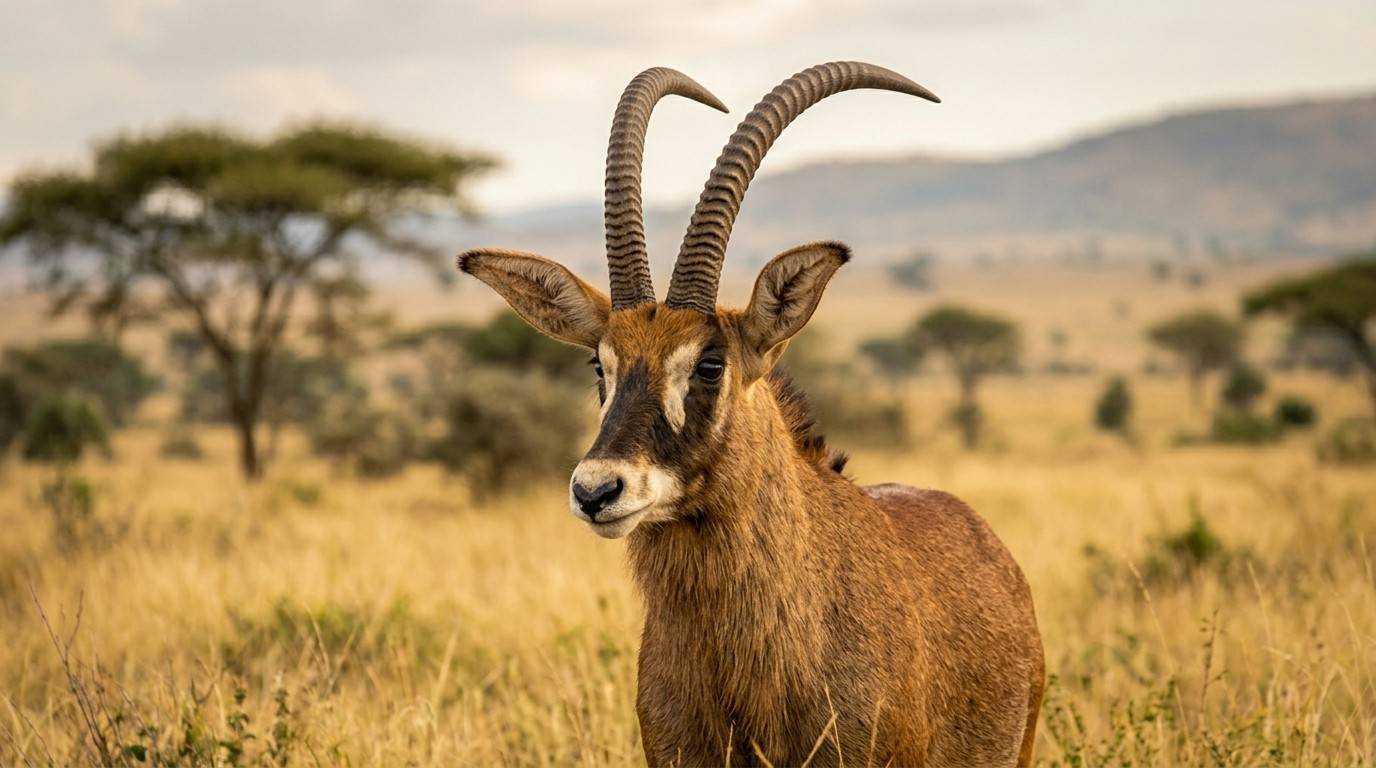
- 1Ruma National ParkKenya's only sanctuary for the endangered roan antelope. Also home to Rothschild's giraffe, oribi, Jackson's hartebeest, and the rare blue swallow. Entry: KSh 350 (citizens), ~KSh 2,900 (non-residents at $22). Located 30 km from Homa Bay town in the Lambwe Valley.
- 2Rusinga IslandA 16 km-long island in Lake Victoria connected to the mainland via the Rusinga-Mbita bridge. Famous for white and black sandy beaches, excellent birdwatching, and the tomb of political icon Tom Mboya. The Rusinga Ring Road project (KSh 3.7 billion) is enhancing connectivity.
- 3Mfangano Island & Rock ArtOne of East Africa's most important archaeological sites, featuring ancient Twa hunter-gatherer rock paintings estimated to be thousands of years old. Combine with a stay at the world-class Mfangano Island Camp for a luxury eco-safari experience.
- 4Lake Simbi NyaimaA crater lake famous for its flamingo colonies and a rich local legend about a village swallowed by the earth. A short 30-minute walk around the lake is guided by local storytellers. Located en route from Ruma National Park.
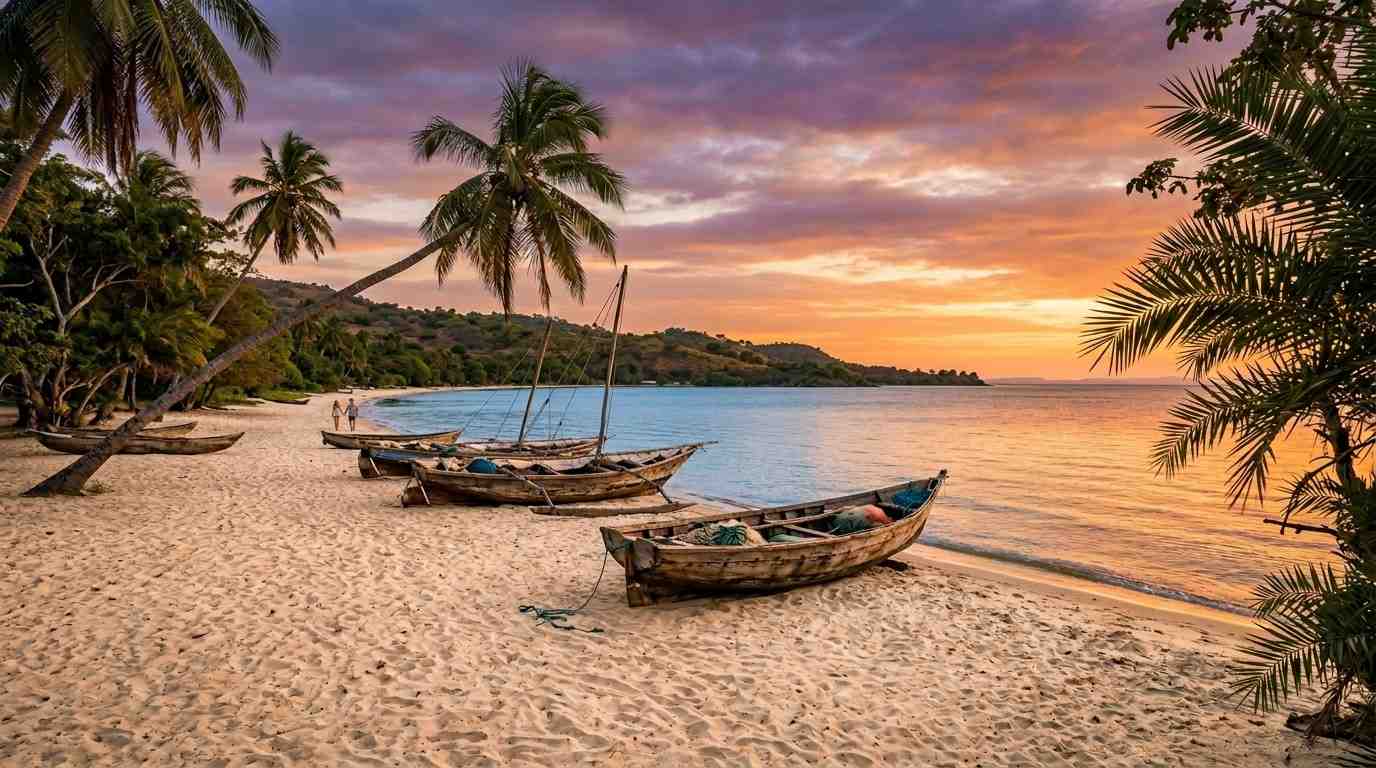
- 5Homa Bay Lakefront AmphitheatreA brand-new open-air cultural venue surrounded by landscaped gardens, cycling tracks, boat rides, and a sunset viewing point. Designed to draw visitors and anchor the county's cultural tourism calendar.
- 6Luo & Abasuba Cultural VillagesRangwe traditional Luo homesteads offer authentic immersion in Luo culture, including traditional music, dance, and cuisine. The Abasuba (also known as Kurain) along the south are known for their distinct traditions and craftsmanship.
Accommodation: Budget to Luxury
The county's accommodation range has expanded significantly. On the luxury end, Rusinga Island Lodge and Mfangano Island Camp offer world-class eco-lodge experiences with full-board safari packages. Mid-range travellers will find solid options in the Golden Rays Resort and Ruma River Lodge. Budget visitors can use Oribi Guesthouse, Hotel Twin Towers, Hotel Hippo Buck, and Ruma Tourist Lodge — with Twiga Campsite and Fig Tree Public Campsite available for self-drive safari campers.
Airbnb has also taken root on Rusinga Island, with stylish gated apartments and private beach house tented camps available from approximately KSh 3,500–7,000 per night — representing excellent value given the island's scenery.
🦅 Birdwatcher's Note
Homa Bay County is a premier birdwatching destination, home to the globally threatened blue swallow, papyrus endemics, over 400 recorded lake species, and seasonal flamingo flocks at Lake Simbi Nyaima. The county falls within the BirdLife International Important Bird and Biodiversity Area (IBA) network.
Infrastructure: The Billion-Shilling Makeover
Infrastructure has historically been Homa Bay County's Achilles heel — and the national government appears to be tackling this head-on with one of the most ambitious investment programmes the region has ever seen.
Across the Nyanza region, over 270 projects valued at more than KSh 220 billion are underway. Roads alone account for KSh 96.54 billion covering 1,525+ km, while affordable housing projects worth KSh 90.44 billion target 38,846 units. Homa Bay's specific highlights include:
- The Rusinga Ring Road — a transformative connectivity project for the island, supporting both tourism and local commerce
- The Kadel–Ramba Road upgrade (valued at KSh 3.7 billion) — linking agricultural zones to markets
- Kabunde Airstrip upgrade — to support regional mobility, tourism, and emergency services
- Affordable housing projects in Homa Bay town, Oyugis, and Mbita
- The new modern market, pier, and amphitheatre on the lakefront
These are not aspirational blueprints — nine projects worth nearly KSh 5 billion are already complete. For businesses, real estate investors, and entrepreneurs, this infrastructure build-out is the clearest possible signal of a county on the move.
Cost of Living in Homa Bay County
For those considering relocation, retirement, or long-term residence, Homa Bay County remains one of Kenya's most affordable places to live — particularly when compared to Nairobi, Kisumu, or Mombasa. Here's a rough guide:
| Item / Service | Estimated Cost (KSh) |
|---|---|
| 1-bedroom rental (Homa Bay town) | KSh 5,000 – 12,000 / month |
| 2-bedroom apartment (town) | KSh 12,000 – 25,000 / month |
| Luxury furnished apartment | KSh 25,000 – 60,000 / month |
| Meal at local eatery (nyama choma + ugali) | KSh 300 – 600 |
| Fresh tilapia (1 kg, lakeside market) | KSh 250 – 400 |
| Matatu fare (Homa Bay – Kisumu) | KSh 300 – 500 |
| Bodaboda ride (within town) | KSh 30 – 100 |
| Ruma National Park (Kenyan citizen adult) | KSh 350 / day |
| Private school fees | KSh 15,000 – 60,000 / term |
Housing in Rusinga Island and lakeshore areas is particularly affordable for residential purposes — though commercial and tourism-focused plots are rising in value in line with the infrastructure investments. Land in strategic areas is still competitively priced compared to Nairobi's satellite towns, making now a potentially opportune moment for long-term acquisition.
For more general guidance on costs and bargains across Kenya, our team at KE Offers Guides regularly publishes updated price benchmarks.
Investment Opportunities: Where the Smart Money Is Looking
Homa Bay County's investment pitch has rarely been stronger. With a rapidly rising OSR, billions in public infrastructure, a government actively courting private investment through its official investment guide, and a location on Africa's largest freshwater lake, the conditions are aligning for serious returns.
1. Hospitality & Eco-Tourism
The Ministry of Tourism's partnership with the county to develop Ruma National Park signals that tourism infrastructure is a national priority. There is a clear gap in mid-range eco-lodge accommodation on Rusinga and Mfangano islands, as well as along the Homa Bay town waterfront. Properties offering lake views, boat tours, and birdwatching packages are consistently fully booked during peak season — demand clearly outstrips supply.
2. Agri-processing & Cold Chain
With abundant fish and agricultural produce but limited processing facilities, the county has significant post-harvest losses. Investors in fish processing, vegetable cold storage, fruit packaging, or dairy processing would find a receptive local government and a ready supply chain.
3. Real Estate
The government's affordable housing programme, combined with rising civil servant and private sector employment in the county, is creating genuine residential demand. Land for sale in Rusinga Island — starting at competitive rates — represents a long-term opportunity as connectivity and tourism improve. Commercial plots in Homa Bay town, Oyugis, and Mbita municipality are also worth watching.
If you're exploring vehicle or asset financing for business ventures in the region, our guide to Mercedes-Benz prices in Kenya may also be useful for fleet planning.
4. Digital Economy & Remote Work
The county government's department of Blue Economy, Fisheries, Mining and Digital Economy signals an awareness that the future is partly digital. Affordable accommodation, scenic surroundings, and improving internet connectivity make Homa Bay — particularly Rusinga Island — an increasingly viable base for remote workers and digital nomads seeking an authentic Kenyan experience outside Nairobi.
For remote work setup essentials, see our guides on the best laptop for online jobs in Kenya and best value-for-money laptops in Kenya.
Getting to Homa Bay County
Homa Bay County is more accessible than many travellers assume:
- By road from Nairobi: ~6–7 hours via the Nairobi–Nakuru–Kisumu–Kendu Bay–Homa Bay highway. Well-tarmacked throughout.
- By air: Fly-Sax and other operators offer scheduled flights from Wilson Airport (Nairobi) to Kisumu International Airport, from where Homa Bay is ~110 km by road. The Kabunde Airstrip (local) is being upgraded for improved regional connectivity.
- Public transport: Regular bus and matatu services from Kisumu's main bus park to Homa Bay town (KSh 300–500). Onward connections available to Mbita and other sub-county centres.
- To Rusinga Island: Drive or take a matatu to Mbita town (connected to mainland), then cross the Rusinga-Mbita bridge.
- To Mfangano Island: Boat from Mbita or Sena — schedules vary, and private boat hire is available.
A 4×4 vehicle is strongly recommended for Ruma National Park and remote lakeshore areas — though the ongoing road upgrade programme is steadily reducing the need.
Frequently Asked Questions
Our Verdict: Should You Visit, Relocate, or Invest?
✦ Visit
Absolutely yes. Ruma National Park, Rusinga Island, Mfangano's rock art, and the lakefront sunset experience are genuinely world-class and refreshingly uncrowded. Budget KSh 8,000–25,000 for a 2-night weekend trip including accommodation, park entry, and boat hire.
✦ Relocate
Strong case for the right profile. If you value space, nature, low cost of living, and community — and can work remotely or run a local business — Homa Bay offers a quality of life that Nairobi simply cannot match at the same price point. Improving infrastructure is steadily addressing the historical connectivity gaps.
✦ Invest
High conviction, medium-to-long-term horizon. The fundamentals — infrastructure investment, tourism partnership with the national government, rising OSR, and natural assets — point to significant appreciation potential. Hospitality, agri-processing, and strategic land are the sectors to watch. As with any emerging market play, due diligence and local legal counsel are essential.
Whether you're planning a weekend safari, scouting land, or simply expanding your mental map of what Kenya has to offer — Homa Bay County deserves a spot on your radar. The secret is getting harder to keep.
Sources & Further Reading: Homa Bay County Government • The Star — Lakefront Projects • Capital FM — Revenue Growth • Ruma National Park • PesaYetu — Tourism Data